
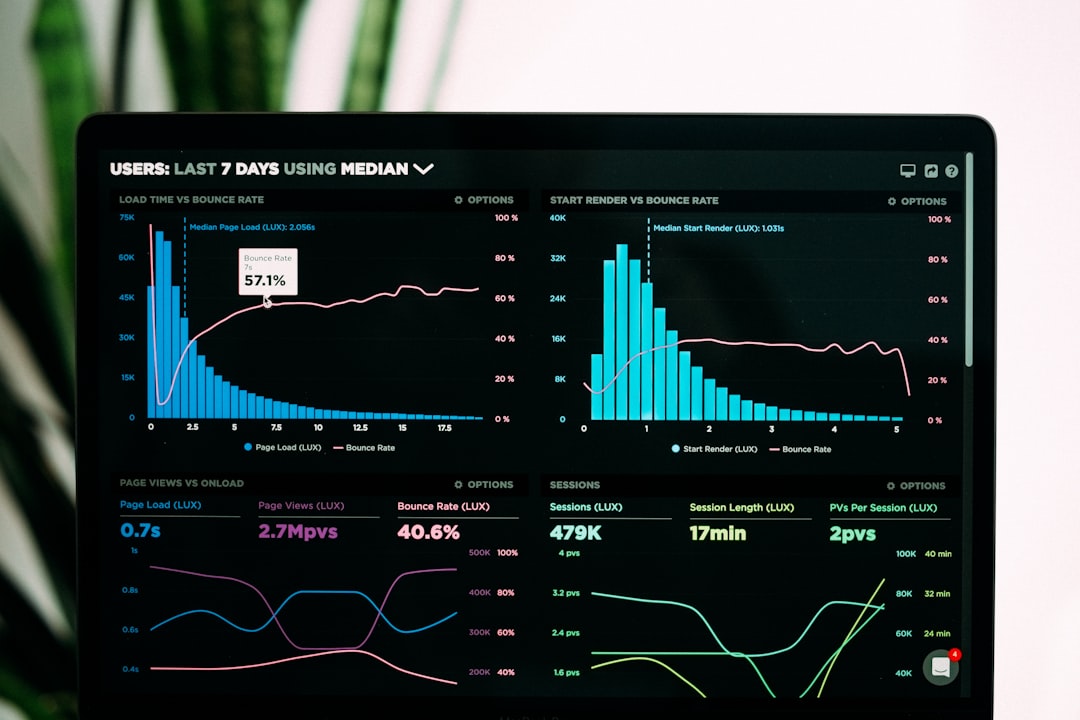
Leveraging Predictive Analytics’ Potential in Marketing
As the marketing industry changes quickly, companies are using predictive analytics more and more as a potent tool to obtain a competitive advantage. Predictive analytics is the process of determining the probability of future events from historical data by using statistical algorithms & machine learning techniques. Businesses can predict trends, comprehend consumer behavior, and make well-informed decisions that spur growth by utilizing enormous volumes of data.
Key Takeaways
- Predictive analytics uses data, statistical algorithms, and machine learning techniques to identify the likelihood of future outcomes based on historical data.
- Understanding customer behavior is crucial for predictive analytics as it helps in identifying patterns and trends that can be used to make predictions.
- Collecting and analyzing data from various sources such as customer interactions, transactions, and social media is essential for building accurate predictive models.
- Building predictive models involves using techniques such as regression analysis, decision trees, and neural networks to forecast future customer behavior.
- Anticipating customer needs and personalizing customer experiences are key benefits of predictive analytics that can lead to increased customer satisfaction and loyalty.
The ability to efficiently use the data being generated by the digital age has become critical for marketers looking to improve their tactics. Predictive analytics is more important than just forecasting; it enables companies to accurately predict changes in the market & consumer preferences. In a setting where customer expectations are ever-changing, the ability to forecast trends and behaviors can mean the difference between success and stagnation. We’ll examine how comprehending consumer behavior, gathering and evaluating data, creating predictive models, and customizing experiences can change marketing tactics and improve customer engagement as we dig deeper into the complexities of predictive analytics. A thorough comprehension of consumer behavior is the foundation of predictive analytics.
By examining previous exchanges, inclinations, and buying trends, companies can gain important knowledge about what influences their clients’ choices. Investigating the “why” behind the customers’ behavior is just as important to this understanding as identifying them. In order to create marketing campaigns that appeal to this audience segment, a retail brand might, for example, find that consumers who buy athletic shoes are also likely to buy fitness apparel.
Also, identifying the different touchpoints along the customer journey is essential to comprehending customer behavior. Every interaction, from initial awareness to post-purchase engagement, yields data that can be examined to forecast future actions. Marketers can develop more specialized strategies that suit the requirements and preferences of their target audience by outlining these journeys and pinpointing critical points that affect decision-making. In addition to improving marketing efficacy, this comprehensive understanding of consumer behavior strengthens the bonds between audiences and brands.
Reliable data collection & analysis form the basis of predictive analytics. Consumer feedback, social media engagement, website interactions, and sales transactions are just a few of the many sources of data that businesses need to collect. A thorough understanding of consumer behavior & preferences is offered by this varied collection of data points. But gathering data alone is insufficient; in order to guarantee accuracy and applicability, organizations also need to put good data management procedures into place. Analysis is the next stage after data collection.
With the use of sophisticated analytical tools and methods, like statistical modeling and machine learning algorithms, marketers can search through enormous datasets for trends and connections. For instance, in order to identify patterns that guide product development or marketing tactics, a business may examine demographic data and past customer purchases. Businesses can turn raw data into actionable insights that inform strategy and decision-making by utilizing these analytical techniques. Developing predictive models is a crucial first step in successfully using predictive analytics in marketing.
By determining the relationships between variables, these models use historical data to predict future outcomes. To forecast sales of a particular product line, for example, a predictive model may examine variables like marketing campaigns, pricing fluctuations, and seasonality. The caliber of the data used and the algorithms used in their creation determine how accurate these models will be. Marketers must first establish precise goals and key performance indicators (KPIs) before developing predictive models that work.
This clarity guarantees that the model is in line with business objectives and aids in choosing the appropriate variables for analysis. Also, as new information becomes available and market conditions shift, these models must be continuously improved. Through consistent updates to predictive models, companies can stay relevant in a constantly changing environment & improve their capacity to foresee client needs. Predictive analytics’s capacity to foresee client needs before they materialize is among its most alluring features. Businesses are able to predict what goods or services consumers will likely want in the future by examining past data and finding trends.
For instance, a subscription box service may employ predictive analytics to identify products that, based on historical preferences and seasonal patterns, are most likely to appeal to particular client segments. Proactive engagement tactics and improved product offerings are made possible by anticipating customer needs. For instance, a retailer can start targeted marketing campaigns in advance if they are aware that specific customers are likely to buy winter clothing as the weather cools.
In addition to increasing sales opportunities, this proactive approach cultivates customer loyalty by making them feel understood and appreciated by the brand. Personalization has emerged as a crucial differentiator for brands trying to successfully engage consumers in today’s cutthroat market. By customizing offers, suggestions, & content according to user preferences and actions, predictive analytics is essential to enabling personalized experiences.
Using the information gleaned from predictive models, companies can craft marketing messages that are highly relevant and appealing to their target market. To suggest products based on a customer’s browsing history and past purchases, for example, an e-commerce platform may employ predictive analytics. In addition to improving the shopping experience, this degree of personalization raises conversion rates because users are more likely to interact with content that reflects their interests. Moreover, personalized experiences can include customized email campaigns, targeted ads, and website experiences that are tailored to each user’s preferences in addition to product recommendations.
An organization’s use of predictive analytics necessitates a strategic approach that takes people, technology, and processes into account. First & foremost, companies need to make investments in the appropriate technologies and tools that make data collection, analysis, and modeling easier. This could entail implementing cutting-edge analytics platforms or making use of cloud-based solutions that provide flexibility and scalability. Successful implementation depends on developing a data-driven culture within the company in addition to technology. This entails educating staff members on how to analyze data insights & promoting cooperation between data analysts and marketing teams.
By dismantling organizational silos and encouraging cross-functional collaboration, businesses can fully utilize predictive analytics to spur innovation and enhance decision-making. There are numerous advantages to using predictive analytics in marketing. Effective use of predictive insights by organizations can boost marketing budgets, increase customer engagement, and boost overall company performance. Brands can encourage repeat business & customer loyalty by anticipating their needs and personalizing experiences. Predictive analytics also helps marketers find high-potential opportunities so they can spend resources more effectively.
Nevertheless, putting predictive analytics into practice is not without its difficulties, even with its benefits. As customers demand more transparency about the use of their information, data privacy concerns have grown in importance. Marketers have to handle these issues while making sure that laws like the CCPF and GDPR are followed. In addition, the intricacy of creating precise predictive models calls for specific knowledge and abilities that some businesses might not have.
In summary, although predictive analytics offers marketers great potential to improve their approaches & better engage consumers, it also demands careful evaluation of the moral ramifications & distribution of resources. Businesses that use predictive analytics will be better positioned to prosper in a setting that is becoming more and more competitive as they continue to adjust to a constantly shifting market landscape.
FAQs
What is predictive analytics?
Predictive analytics is the use of data, statistical algorithms, and machine learning techniques to identify the likelihood of future outcomes based on historical data.
How can predictive analytics be used to anticipate customer needs?
Predictive analytics can be used to analyze customer data and behavior to identify patterns and trends, which can then be used to anticipate future needs and preferences. This can help businesses tailor their products and services to better meet customer expectations.
What are the benefits of harnessing predictive analytics for anticipating customer needs?
Harnessing predictive analytics can help businesses improve customer satisfaction, increase sales, and enhance customer loyalty by providing personalized and targeted offerings. It can also help businesses stay ahead of the competition by being proactive in meeting customer needs.
What are some common applications of predictive analytics in anticipating customer needs?
Common applications of predictive analytics in anticipating customer needs include customer segmentation, personalized marketing campaigns, product recommendations, and demand forecasting.
What are the potential challenges of implementing predictive analytics for anticipating customer needs?
Challenges of implementing predictive analytics for anticipating customer needs may include data privacy concerns, data quality issues, and the need for specialized skills and resources to effectively analyze and interpret the data. Additionally, there may be challenges in integrating predictive analytics into existing business processes and systems.